

We all need reassurance from time to time.
The winter Solstice is a great place to find it
There isn’t a child in an Irish school who hasn’t heard of Newgrange, nor one in a British school unaware of Stonehenge.
They know the headline fact: the sun aligns with the stones on the winter solstice. It’s rightly taught as something remarkable, even magical.
What’s rarely explored is why it mattered so deeply.
Five thousand years ago, this day wasn’t a curiosity. It was a reckoning.
What winter really meant
Ireland’s climate in the Neolithic period wasn’t radically different in latitude or daylight pattern, but it was far harsher in lived reality. Winters were colder, wetter, and undoubtedly felt longer—not because temperatures were dramatically lower, but because there was no buffer against them.
No central heating.
No artificial light.
No imported food.
No safety net.
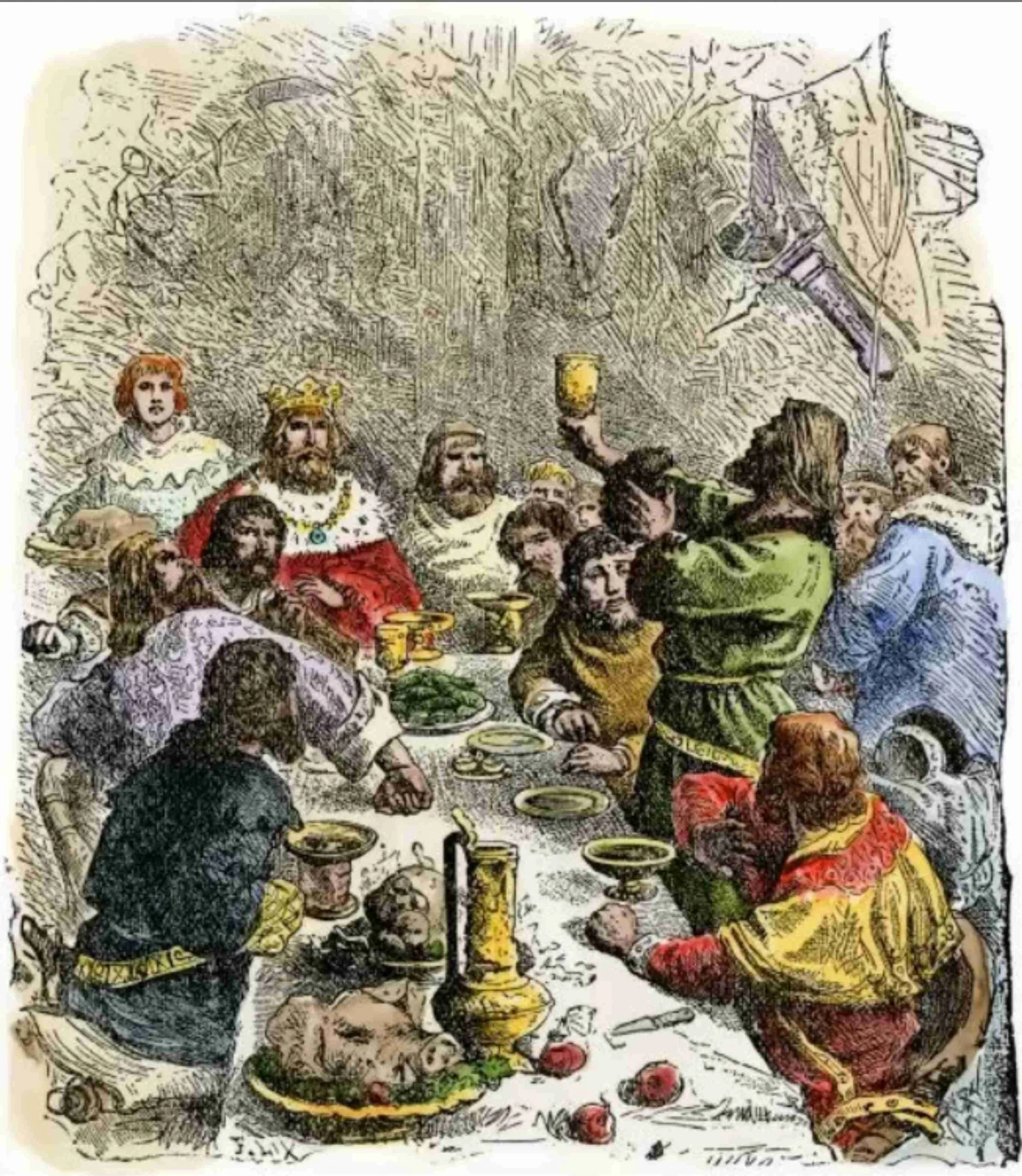
People entered winter having gathered everything they could: crops harvested, animals slaughtered, meat dried or smoked, grain stored, roots buried, supplies cached. Every success and every mistake carried forward into the darker months. What you had at the start of winter was what you would live on until light and warmth returned—until crops could grow again, until animals could be bred for meat, milk, and clothing.
Winter wasn’t endured day by day.
It was survived as a single, continuous stretch of risk.
By midwinter, stores were already diminished. The best food was long gone. Illness spread more easily. The old, the weak, and the very young were most vulnerable. Animals that couldn’t be fed through winter had been slaughtered earlier; only breeding stock was kept, because they represented a future. What remained in pits, stores, and caches had to last.
And then there was the light.
From late autumn onward, each day brought less of it. Fewer working hours. Colder mornings. Long nights where nothing could be done but tend the fire, listen to stories, endure the weather—and quietly count what food remained.
The question wasn’t “Will spring be good?”
It was “Will it come at all?”
That may sound foolish now. But when elders had lived through prolonged winters, late springs, failed sowings—when cows didn’t cycle and ewes didn’t lamb—the fear was real.
When the light holds still
All of this waiting and anxiety led to the solstice. People would have watched closely, needing reassurance that the direction of travel was about to change—that the long decline was ending.
The solstice itself is not dramatic. The sun doesn’t suddenly surge back into the sky. It appears to pause. For a few days, the light barely changes. To an ancient observer, this must have felt like suspension. A held breath.
This is what Newgrange speaks to.
Not celebration.
Not spectacle.
Just reassurance.
The sun reaches its lowest point, enters the darkness of the tomb, and then—crucially—it goes no further. It stops. It turns. The builders weren’t simply marking an astronomical event; they were proving continuity. The world still works. The cycle holds. The light is returning.
That knowledge would have mattered almost as much as food itself.
And now
Today, we experience the solstice largely in abstraction. We know the phrase “shortest day.” We notice the early darkness, the longer nights. But our lives are insulated from the consequences.
Food doesn’t run out in winter.
Light doesn’t limit our ability to work.
Cold is an inconvenience, not a threat.
We are rarely required to trust that things will improve. We expect them to.
And yet, despite all this buffering, people still struggle at this time of year. Energy drops. Motivation thins. Anxiety creeps in. The body seems to remember something the modern mind has lost language for. We, too, look for reassurance that the light will return.
The winter solstice reminds us that this low point isn’t failure. It’s structure. It’s built into the year, into our biology, into nature itself.
For people five millennia ago, this day meant: You’ve made it this far. The worst has passed.
For us, perhaps it can mean: You don’t have to be anything more than you are right now.
What was once a matter of survival may now be a matter of perspective.
Either way, the turning still happens today—whether we pay attention or not.
Happy solstice.